LG_Final-@2x(322x60)-1.webp?width=644&height=120&name=GlyMed-Logo(Black)LG_Final-@2x(322x60)-1.webp "GlyMed-Logo(Black)LG_Final-@2x(322x60)-1")

Oily skin occurs when your sebaceous glands produce too much sebum, a natural oil your skin needs to stay healthy. Genetics and hormones are the biggest drivers, but your daily habits play a role too. To balance oily skin, you need to use the right routine and products.
If you find yourself blotting your face by lunchtime or watching your makeup slide off by mid-afternoon, you’re definitely not alone. Dealing with constant shine can be frustrating, but asking "Why is my skin so oily?" is the perfect place to start. While oily skin is one of the most common struggles, it's also one of the most misunderstood.
Once you understand what drives excess oil, it becomes a lot easier to manage. Let's learn more about what's going on and how to control oily skin!
WHAT YOUR SKIN IS ACTUALLY DOING (AND WHY)
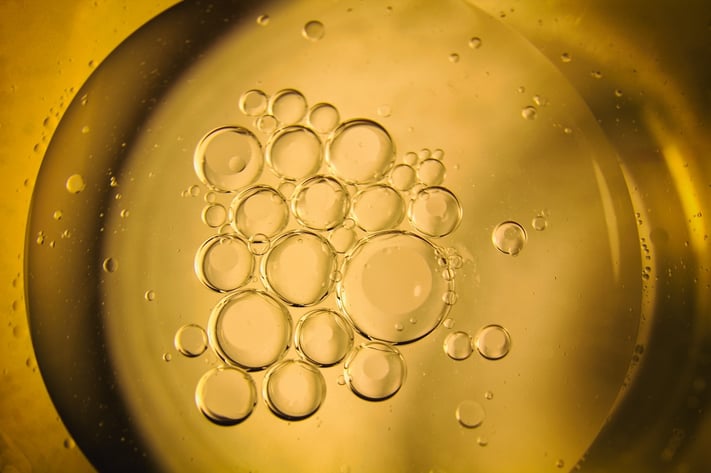
Sebum is the technical term for your skin's natural oil. It's produced by tiny structures called sebaceous glands, which sit beneath the skin's surface in almost every area of your body. Your face and scalp alone can have more than 900 sebaceous glands per square centimeter.
Oily skin probably sounds like something you’d want to avoid, but it actually protects your skin barrier, keeps moisture locked in and helps defend against environmental stressors. The problem starts when your sebaceous glands go into overdrive and produce more oil than your skin actually needs.
WHY IS MY SKIN SO OILY? FACTORS YOU CAN'T CHANGE
Excess oil production doesn't have one single cause. Some factors are built into your biology.
GENETICS
Your genes play a big part in how active your sebaceous glands are and how large they grow. If oily skin runs in your family, there's a good chance your glands are naturally more active. That excess oil production can stretch your pores. Larger glands are another factor that can create larger pores because pore size is roughly proportional to the size of the sebaceous unit beneath it.
HORMONES

Androgens, or the group of hormones that includes testosterone, are one of the most powerful drivers of sebum production. When androgen levels rise during puberty, menstruation, pregnancy or menopause, the glands expand and increase oil output.
WHY IS MY SKIN SO OILY? FACTORS YOU CAN CONTROL
Your biology isn't the only thing determining your skin's oil production. Several external factors can also contribute to an oily complexion.
OVER-WASHING OR STRIPPING THE SKIN
Doesn't washing more frequently reduce oil? Actually, no—using harsh cleansers or cleansing too much can strip the skin's natural moisture barrier. Your skin responds by producing even more oil to compensate.
SKIPPING MOISTURIZER
Skipping moisturizer because your skin already feels oily is a common mistake. When your skin doesn't have enough hydration, it overproduces sebum to make up for it. Keeping your skin properly hydrated actually helps regulate oil, not increase it.
DIET AND LIFESTYLE
Certain foods can directly stimulate oil production. Foods that mimic male hormones can increase sebum production, including oysters, fatty fish like salmon, egg yolks and leafy greens. High-sodium foods and dairy have also been linked to excess oiliness and acne activity in some individuals.
Stress is another significant trigger; when you're stressed, your adrenal glands release hormones that can send your sebaceous glands into overdrive.
HOT OR HUMID WEATHER
Warm, humid weather is a classic trigger for excess oil production. In humid environments, the outer layer of your skin, or the stratum corneum, will swell, which can trap oil and worsen congestion.
Along with humidity, rising temperatures play a big role. You might have heard that heat "opens" your pores, but this is actually a myth! Your pores don't change size in response to hot or cold weather. Instead, the heat signals your oil glands to go into overdrive, leading to that extra summer shine.
USING THE WRONG PRODUCTS FOR YOUR SKIN TYPE
Heavy creams, occlusive formulas or products not designed for oily or acne-prone skin can clog pores and compound the problem. Use skincare formulated specifically for your skin type to keep your skin balanced.
IS OILY SKIN ACTUALLY A BAD THING?
Oily skin isn't all bad news! While it can feel frustrating, there's actually a silver lining. Oily skin tends to retain moisture more naturally than other skin types, which means it's better equipped to stay hydrated. Over time, this extra hydration can help keep your skin looking plumper and more supple. This may even slow the visible signs of aging, since well-hydrated skin is less prone to developing fine lines and wrinkles.
That said, the downsides are real. Excess sebum is one of the primary drivers of acne. When too much oil builds up, it can clog your pores, cut off airflow and create the perfect environment for acne-causing bacteria. These bacteria also feed off sebum, which is why oily skin can be more prone to breakouts.
The goal isn't to eliminate oil. The goal is to regulate it so you can have the best of both worlds. So, let's find out how to control oily skin!
HOW TO CONTROL OILY SKIN IN 4 STEPS

Managing oily skin comes down to consistency and using the right ingredients for your skin type. If you're looking for more answers after learning why your skin is so oily, we've got your next steps!
1. BUILD A CONSISTENT CLEANSING ROUTINE
Cleanse twice daily, morning and night. Choose a formula that effectively removes excess oil and buildup without stripping your skin barrier.
GlyMed's Purifying Cleanser with Salicylic Acid is a strong option for oily and acne-prone skin; it uses 2% Salicylic Acid with Aloe Vera and Green Tea to reduce oil and bacteria without harsh irritation.
If you're dealing with blackheads or non-inflamed congestion, the Exfoliating Cleanser with Salicylic Acid is another option that adds gentle physical exfoliation to the mix.
2. DON'T SKIP MOISTURIZER
Look for lightweight, non-comedogenic options that won't clog pores. GlyMed's Ultra Hydro Gel is a great option formulated with Hyaluronic Acid in an ultra-light, oil-free base, so it hydrates without adding weight or shine.
3. USE TARGETED INGREDIENTS

Certain ingredients are wonders at managing excess oil:
- Salicylic Acid: This is a beta-hydroxy acid that's oil-soluble, meaning it can penetrate the follicle and exfoliate from within. It slows the shedding of cells inside pores to prevent clogging and helps break down blackheads and whiteheads. GlyMed+ offers the Astringent No. 2 with Salicylic Acid, which is ideal for daily oil control.
- Niacinamide: This is a form of Vitamin B3 with anti-inflammatory properties that supports the skin's barrier function, boosts ceramide production and helps regulate oil over time. GlyMed's CBD Skin Mist is small enough to carry in your purse and contains a Niacinamide formula designed to balance freshly cleansed skin all day.
- Clay Masques: Kaolin and Bentonite clay are natural minerals with amazing oil-absorbing properties. They can draw impurities and excess sebum out of pores without over-drying. We recommend the Mattifying Sulfur Masque, which combines 10% Sulfur with Kaolin and Bentonite to reduce bacteria, inflammation and oil.
4. APPLY SPF EVERY DAY
Sun exposure can worsen oiliness, and many active ingredients used to manage it—like Salicylic Acid—increase photosensitivity. GlyMed's Hydrating Protection Gel with SPF 15 is a water-based, ultra-light formula suited to oily and normal skin types. For outdoor or extended sun exposure, you can bump it up to Hydrating Protection Gel with SPF 30!
FREQUENTLY ASKED QUESTIONS
HOW CAN YOU TELL IF YOU HAVE OILY SKIN OR COMBINATION SKIN?
Oily skin produces excess shine and oil across the entire face, including the cheeks. Combination skin is oily in the T-zone, so the forehead, nose and chin, while the cheeks feel normal or even dry.
DOES OILY SKIN MEAN MY SKIN IS DIRTY?
No. Oily skin is not a sign of poor hygiene. Sebum production is driven by genetics, hormones and other factors, not cleanliness.
WHAT INGREDIENTS SHOULD I LOOK FOR IF MY SKIN IS OILY?
Salicylic Acid, Niacinamide, Sulfur and clay minerals like Kaolin and Bentonite are some of the most effective ingredients for oily skin. Salicylic Acid exfoliates inside the pore, Niacinamide supports barrier function and Sulfur and clay absorb excess oil.
DOES OILY SKIN MEAN I DON'T NEED A MOISTURIZER?
No. Skipping moisturizer can actually make oily skin worse. When skin lacks hydration, it overproduces oil to compensate. Choose a lightweight, non-comedogenic formula like a gel or water-based moisturizer to hydrate without adding shine.
CAN DIET AFFECT HOW OILY MY SKIN IS?
Yes. Certain foods can increase sebum production, so we recommend checking in with a dietician or other specialist for a personalized plan.
BUILD A ROUTINE THAT CONTROLS YOUR OIL PRODUCTION
Getting your oily skin under control is absolutely possible, but there's no magic routine to fix why your skin is so oily. To learn how to manage oily skin, you need to find a combination of products and ingredients that focus on your skin type, your concerns and your goals.
A GlyMed+ aesthetician can assess your skin in person and build a personalized routine around what your skin actually needs, whether that's a deeper-cleansing protocol, a professional masque treatment or a targeted home care plan with the right actives. Find a GlyMed+ Professional near you and take the guesswork out of your skincare!